Powered By Blogger

Tuesday, December 15, 2020

 This time I wil show you the materials of a simple toy made with button and rope.


ROPE AND BUTTON TOY

JUGUETE DE CUERDA Y BOTON

Gloria Eugenia Nogales Vera

The button in french has the meaning of enhance or get out, the buttons used on clothes are ornaments and therefore those are made of many materials (plastic, metal, nacre, resin, gem, hell, ivory, bone, precious rocks), shapes and colors.

El botón en francés significa realzar y salir, los botones que se usan en las prendas de vestir son también adornos y por eso están hechos de diferentes materiales (plástico, metal, madera, nácar, resina, gemas, conchas de moluscos, marfil, hueso, piedras preciosas), formas y colores.

 upload.wikimedia.org/wikipedia/commons/thumb/4/...


It has been found a button 4000 years ago a button in the place known as Pakistan, this place was a part of the Indian Northeast and Afganistan and is called The Indostan Valley. The roman used buttons to demonstrate their social position but they did not use the buttonhole in the clothes due to it´s invention in the XIII century of our era.

Se encontró un botón donde actualmente es Pakistán y antiguamente el noreste de la India y Afganistán, Valle de Indostán de hace 4000 años. Los romanos usaban botones para demostrar su posición social pero sin el ojal de abrochar y desabrochar en la tela pues fue inventado en el siglo XIII de nuestra era.

 La península del Indostán


On the other side the rope is a prehistoric object and it´s name comes from the latin and greek languages chorda. The rope is the reunión of threads and it has three parts the whips and the middle part called seno.

Por otro lado la cuerda, soga o maroma es un objeto prehistórico y su nombre viene del latín y anteriormente del griego chorda. La cuerda es la unión de hilos y tiene tres partes los extremos se denominan chicotes y la parte media se denomina seno.
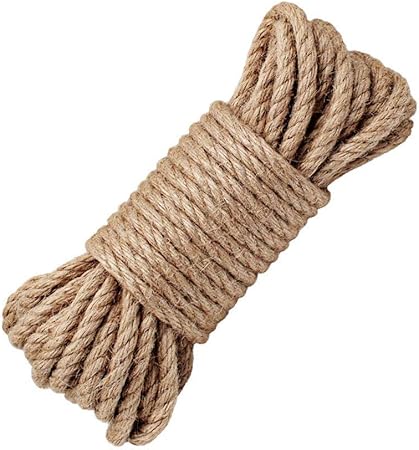
 Amazon.com: Cuerda de yute 100 % natural fuerte – LUOOV 0.236 in de grosor  y cuerda de yute para manualidades, decoración de bricolaje, envoltura de  regalo, 32.8 ft (32 pies) – 131.2 ft, Amarillo, OU_04907847_10m: Home  Improvement


It can also be told that the ropes can be done with natural threads, artificial threads, sinthetic threads or combinations like cotton, silk, whool, hair, rayon, polipropylene, nylon, polyester, polyethilene (like the spectra) aramid fiber (for example twaron, technora and the kevlar)

También se puede decir que las sogas se pueden hacer de textiles naturales, artificiales, sintéticas o combinaciones ya sea de  algodón , seda, lana, pelo, rayón, polipropileno, nylon, poliéster, el polietileno (como el spectra) las fibras aramidas (por ejemplo twaron, technora y el kevlar).
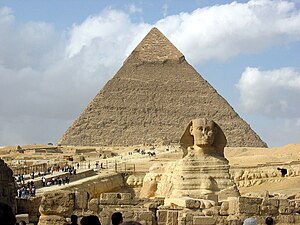


The achaeologist say that the ropes were invented by egipcian people since 4000 to 3500 years before our era and the chinese made fiber ropes 2800 years ago

Los arqueólogos dice que las cuerdas fueron inventadas por egipcios hace 4000 a 3500 años antes de nuestra era y los chinos hicieron cuerdas de fibra desde hace 2800 años.
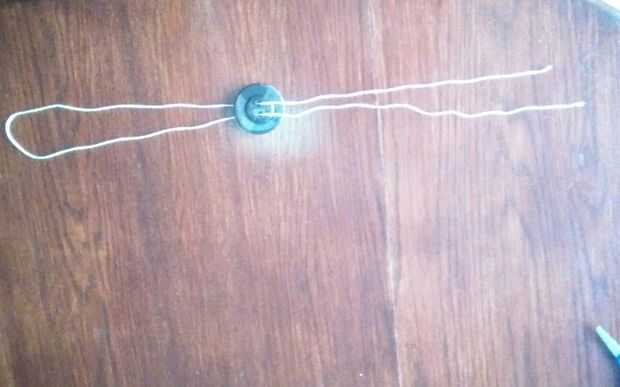


To have the toy of thin rope and button there are requirements. The string should be 50 centimeters long and the button has two holes by which the rope has to pass through and then make a knot, then two fingers of both hands have to screw in the rope in order to strech and to shrink the rope so we could have inertia and the characteristic sound.

Para tener el juguete de cuerda delgada y botón existen requisitos: la cuerda debe ser larga y resistente como de unos cincuenta centímetros  y el botón tiene dos orificios por donde tiene que pasar la cuerda y luego hacerle un nudo luego se colocan dos dedos de las dos manos en los extremos de la cuerda con el fin de enroscar la cuerda y luego hacer que la cuerda se estire y se encoja para que pueda hacer inercia y un zumbido característico.


The button and rope has many diferent names according to the countries for axample it is calles chajalle in Puerto Rico, Dominican Republic, Chile and Peru. It has the name of buzzer  in Argentina and Colombia. Zun Zun in Ecuador, Gurrufio in Venezuela, buzzer in Spain. The mapuche used this toy to cut the meat.

El botón con cuerda tiene diferentes nombres según los países  por ejemplo se llama Chajalele en Puerto Rico, República Dominicana, Chile y Perú. Tiene, el nombre de zumbador  en Argentina y Colombia. Zun Zún en Ecuador, Gurrufio en Venezuela, Zumbado en España. Los mapuches incluso usaban este juguete para cortar carne.

There is a poem mentioning this toy and it was made in Chile and it says: the Chilean Poet Andrés Gálvez (192’1989) ”The children made the runrún shout. Between their hands the singing run run is a personality. ”

Se hizo un poema mencionando a este juguete y se lo hizo en Chile y dice: El poeta chileno Andrés Sabella Gálvez (1912-1989), “Los niños hacen que el runrún vocifere o arrulle. Entre sus manos, la rodela cantadora es una personalidad.


Bibliografia

Chile, fértil provincia... Andrés Sabella. Edición corregida y aumentada. Editorial Zig-Zag, Santiago de Chile, (2º edic.) 1966

https://www.mundoprimaria.com/lecturas-para-ninos-primaria/historia-del-boton

https://loheinternacional.com/blog/index.php/es/2019/01/24/alguna-vez-te-preguntado-surgieron-los-botones/

https://www.hiladonado.com/la-historia-de-la-cuerda/


It has been found a button 4000 years ago a button in the place known as Pakistan, this place was a part of the Indian Northeast and Afganistan and is called The Indostan Valley. The roman used buttons to demonstrate their social position but they did not use the buttonhole in the clothes due to it´s invention in the XIII century of our era.

Se encontró un botón donde actualmente es Pakistán y antiguamente el noreste de la India y Afganistán, Valle de Indostán de hace 4000 años. Los romanos usaban botones para demostrar su posición social pero sin el ojal de abrochar y desabrochar en la tela pues fue inventado en el siglo XIII de nuestra era.


On the other side the rope is a prehistoric object and it´s name comes from the latin and greek languages chorda. The rope is the reunión of threads and it has three parts the whips and the middle part called seno.

Por otro lado la cuerda, soga o maroma es un objeto prehistórico y su nombre viene del latín y anteriormente del griego chorda. La cuerda es la unión de hilos y tiene tres partes los extremos se denominan chicotes y la parte media se denomina seno.


It can also be told that the ropes can be done with natural threads, artificial threads, sinthetic threads or combinations like cotton, silk, whool, hair, rayon, polipropylene, nylon, polyester, polyethilene (like the spectra) aramid fiber (for example twaron, technora and the kevlar)

También se puede decir que las sogas se pueden hacer de textiles naturales, artificiales, sintéticas o combinaciones ya sea de  algodón , seda, lana, pelo, rayón, polipropileno, nylon, poliéster, el polietileno (como el spectra) las fibras aramidas (por ejemplo twaron, technora y el kevlar).


The achaeologist say that the ropes were invented by egipcian people since 4000 to 3500 years before our era and the chinese made fiber ropes 2800 years ago

Los arqueólogos dice que las cuerdas fueron inventadas por egipcios hace 4000 a 3500 años antes de nuestra era y los chinos hicieron cuerdas de fibra desde hace 2800 años.


To have the toy of thin rope and button there are requirements. The string should be 50 centimeters long and the button has two holes by which the rope has to pass through and then make a knot, then two fingers of both hands have to screw in the rope in order to strech and to shrink the rope so we could have inertia and the characteristic sound.

Para tener el juguete de cuerda delgada y botón existen requisitos: la cuerda debe ser larga y resistente como de unos cincuenta centímetros  y el botón tiene dos orificios por donde tiene que pasar la cuerda y luego hacerle un nudo luego se colocan dos dedos de las dos manos en los extremos de la cuerda con el fin de enroscar la cuerda y luego hacer que la cuerda se estire y se encoja para que pueda hacer inercia y un zumbido característico.


The button and rope has many diferent names according to the countries for axample it is calles chajalle in Puerto Rico, Dominican Republic, Chile and Peru. It has the name of buzzer  in Argentina and Colombia. Zun Zun in Ecuador, Gurrufio in Venezuela, buzzer in Spain. The mapuche used this toy to cut the meat.

El botón con cuerda tiene diferentes nombres según los países  por ejemplo se llama Chajalele en Puerto Rico, República Dominicana, Chile y Perú. Tiene, el nombre de zumbador  en Argentina y Colombia. Zun Zún en Ecuador, Gurrufio en Venezuela, Zumbado en España. Los mapuches incluso usaban este juguete para cortar carne.

There is a poem mentionin this toy and it was made in Chile and it says: the Chilean Poet Andrés Gálvez (192’1989) ”The children made the runrún shout. Between their hands the singing run run is a personality. ”

Se hizo un poema mencionando a este juguete y se lo hizo en Chile y dice: El poeta chileno Andrés Sabella Gálvez (1912-1989), “Los niños hacen que el runrún vocifere o arrulle. Entre sus manos, la rodela cantadora es una personalidad.


Bibliografia

Chile, fértil provincia... Andrés Sabella. Edición corregida y aumentada. Editorial Zig-Zag, Santiago de Chile, (2º edic.) 1966

https://www.mundoprimaria.com/lecturas-para-ninos-primaria/historia-del-boton

https://loheinternacional.com/blog/index.php/es/2019/01/24/alguna-vez-te-preguntado-surgieron-los-botones/

https://www.hiladonado.com/la-historia-de-la-cuerda/


Monday, August 3, 2020

SPINNING TOP OR TROMPO

Once again I  give you kids a description of the spinning top or trompo so, this article will help you to improve your reading and getting to know when was made this toy and how to play with it.


SPINNING TOP OR TROMPO

The spinning top is a very antique toy, it is known that was used more or less in the year 4000 of our era because it was found close the eufrates river and is well known than any other toy in the world. Even the roman Marco Pocio Catón mentioned this toy, and in Eneida which was written by Virgilio this antique spinning top was mentioned .

El trompo es un juguete muy antiguo, se sabe que fue usado más o menos en el año 4000 antes de nuestra era pues fue encontrado cerca del rio Eufrates y es tan o más conocido que cualquier otro juguete en el mundo. Incluso fue mencionado por el romano Marco Pocio Catón y en la Obra Eneida de Virgilio se mencionó sobre el trompo que es tan antiguo juguete.


In many languages the name of the toy was given like: perinolas, spun, dreidel, snurra, levitrón, beyblade, spinning top,  topy, pião o pinhão and peonza if it does not have iron pointy end.

En varios idiomas el nombre del juquete fue dado como. perinolas, spun, dreidel, snurra, levitrón, beyblade, spinning top, topy, pião o pinhão y peonza si es que no tiene punta de hierro.


The spinning top spins because it has a pointy end that lets the toy give for a moment a gravity center if it is thrown by the help of the rope that let it spins with an angular velocity. This pointy  end can be attached or even is an extensión of the toy, sometimes it has a shape of a been and also of a good needle.

El trompo gira porque tiene una punta pico, púa o rejón o puya  que llega a darle por un momento un centro de gravedad si se lo lanza con la ayuda de un cordel gira y gira a velocidad angular. Esta punta puede ser incrustada o bien es una extensión del juguete, algunas veces tiene la forma de un garbanzo o también puede ser muy afilada.


The spinning top  were and are made by kids or adults with many materials for example  clay, wood, dried fruits (cumare nuts), plastic, carbin fiber, polymers.


Los trompos fueron y son construidos por niños y adultos con varios materiales por ejemplo arcilla, madera, frutas secas (nueces de cumare), plásticos, fibras de carbono, polímeros.


The conic shape of the spinning top makes this toy spin, the size should be  six centimeters high and four centimeters of  diameter, on the core dawings or designs can be made according to the taste or origin of the builder even add lights if they are made in a factory.
La forma cónica del trompo hace que le juguete gire, el tamaño del mismo debiera ser de seis centímetros de alto por cuatro centímetros de radio en su diámetro, exteriormente se pueden hacer dibujos o diseños según el gusto del nativo que los fabricó para saber su origen de lugar, o incluso añadirle luces si están fabricados en serie por una fábrica.


The rope guaraca, soga, soguilla, cochaillo, lienza,, piola, piolín, látigo, cabuya, hilo, zumbel y zurriago of the spinning top is very important because with this element the spinning top has the strenght to spin. The rope can be long as thirty to fifty centimeters always tied to the middle finger of the hand.
El cordel cuerda, guaraca, soga, soguilla, cochaillo, lienza, piola, piolín, látigo, cabuya, hilo, zumbel y zurriago;  del trompo es muy importante porque con este elemento el trompo tiene fuerza para girar. El largo de la cuerda puede ser de treinta a cincuenta centímetros siempre atado al dedo medio del jugador.


There are individual and grupal ways to play with the spinning top
Existen formas individuales y grupales de jugar al trompo.


Of the individual ways are: make it dance on the palm of the hand or on the index finger. The spinning top can go on the rope hanged between the two hands, it is posible to catch the spinning top on the air.
De las formas individuales son: hacerlo bailar en la palma de la mano o en el dedo índice. También se puede hacer que el trompo gire en el cordel manejado por las dos manos. Es posible atrapar al trompo en el aire.


About the grupal shapes top play with the spinning top are making a circle on the ground, top put and object and try to take it out with the help of the toy. Another game consists in making that other spinning tops fall because of the crash.

Acerca de las formas grupales de jugar con el trompo son haciendo un círculo en el suelo colocar un objeto y sacar ese objeto con el trompo. Otro juego consiste en hacer que otros trompos en el círculo caigan por el choque. 


Saturday, February 22, 2020

An article for kids about the Plumb Soldiers, Un articulo para niños acerca de los soldados de plomo written by Gloria Eugenia Nogales Vera


The plumb Soldiers
Los soldaditos de plomo

There is a reference about a plumb soldier in a story dated on october the second 1838 in Denmark, when the writer Hans Cristian Andersen published the story through the printer company called C.A. Reitzel in Copenhague: The Collection was called Fairy Tales for Children and the story was called The Plumb Soldier, and the story said that the gift of a kid was a box in which there was 25 soldiers made from an old big spoon painted in blue and red,  therefore there was a soldier with just one leg and that one leg soldier fell in love of a paper ballerina with a blue lash and a shiny bean.

Existe una referencia sobre un soldadito de plomo hecha cuento el dos de octubre de 1838 en Dinamarca, cuando un danés Hans Cristhian Andersen lo publicó con una compañía de impresión C.A. Reitzel en Copenhague en la colección Cuentos de hadas para niños, y se llamó El Soldadito de Plomo,  y la historia decía que el regalo de un niño fue una caja con 25 soldaditos de plomo hechos de una cuchara grande y antigua,  pintados de azul y rojo, por eso el último de los soldaditos tenía sólo una pierna y ese soldadito se enamoró de una bailarina de papel con una cinta azul y una lentejuela que brillaba.


One toy party night, an elf got out from it´s box at midnight and told the soldier not to fall in love the ballerina, not even see at her eyes, but the sooldier did not follow the instructions, and the next day the soldier had fallen from the balcony to the Street. The one leg soldier was carried by the flow of the wáter to the river, in the way down the river; some kids put the soldier into a paper boat, after that a rat asked the soldier some money to get through the pipe, finally the soldier got into the mouth of a fish which was bought by the cooker of the house the soldier belonged. The kids and the owner of the soldier saw again the soldier into the fish stomach and threw it to the chimney a place where the fire modified the shape of the soldier into a heart with a shiny bean which belonged to the paper ballerina who flew to the soldier right before the modification of the shape, the next day the cooker found the heart in the chimney


Una noche de fiesta de juguetes, un duende de juguete que salió de su caja a medianoche le dijo al soldadito que no se enamorara de la bailarina, que ni siquiera la viera a los ojos pero como el soldadito no hizo caso, al siguiente día cayó del balcón a la calle para ser arrastrado por las aguas de la lluvia y puesto por unos niños en un barquito hecho con papel periódico y la dirección de la cuneta lo llevo a una alcantarilla donde una rata le pidió peaje, el soldadito naufraga después de que el barquito de papel se deshace en la catarata, pero de repente un pez lo engulle.  El destino hace que ese pescado sea comprado por la cocinera de la casa del niño que recibió de regalo a los 25 soldaditos. Uno de los niños de la casa, levanta al soldadito y lo lanza a la chimenea con fuego, el viento ayuda a que la bailarina de papel vaya a para el mismo lugar que el soldadito, ambos se funden y al día siguiente la cocinera encuentra un corazón de plomo con una lentejuela brillante.


Due to this introductory story it can be said that; to represent the antique Rome and Napoleonic Europe wars and batles were made models of soldiers made of metal and nowadays made of plastic.

A razón de esta historia introductoria se puede decir que para representar guerras y batallas antiguas de Europa desde las romanas hasta las de Napoleón se hicieron modelos de soldados a escala tanto de metal antiguamente y actualmente de plástico.


It is said that the son of Napoleón Bonaparte had plumb soldiers to play and all the soldiers had a seal that was a yellow bee which was the label of the imperial napoleonic family, the soldiers were made by Luccotte for Napoleon the second. Alejandro Noguera and his son collected and found those two Napoleon´s son soldiers and now they are at the L´Iber Museum in Valencia, Spain at the year 2012 this private museum had 5917 soldiers exhibited in three maquettes.

Se dice que el hijo de Napoleón Bonaparte tenia soldaditos de plomo para jugar y que los hacia sellar con el dibujo de una abeja que era el emblema imperial de Napoleón, los confeccionaba Luccotte para Napoleón II. Alejandro Noguera y su hijo,  coleccionistas ambos,  encontraron estos dos soldaditos que ahora están en el Museo L´Iber de Valencia, Spain para 2012 este museo privado tenía 5817 soldaditos exhibidos en tres maquetas.


At the end of the XVIII century for example the enterprise Hilpert and Heinrishen in Nuremberg, Germany made two dimensions tin soldiers of  25 milimeters.

A finales del siglo XVIII por ejemplo la empresa Hilpert y Heinrischen en Nuremberg, Alemania  hizo soldaditos planos de estaño con una altura de 25 milímetros.


In France the volume were given to the soldiers moreover they were not made of tin but with plumb with antimony.

En Francia le dieron cuerpo o volumen a los soldados y además no los hicieron de estaño sino de plomo con antimonio.


In England were made soldiers of plumb with antimony not heavy because in the middle they were empty.

En Inglaterra hicieron soldaditos de plomo con antimonio pero eran más livianos porque en el medio estaban vacíos.


After that, people used rubber to make indian warriors and cowboys until German people made the playmóbil
Después, se usó goma para hacer guerreros indios y vaqueros hasta llegar al playmobil alemán.
.


In the next order of countries were made soldiers of plumb and those were the kids toys in XIX century: German, France, England, Spain, Switzerland, Austria, United States in those factories: Burnett, Wells, Triang, Rossignol, Citroën y Jouets.

En el siguiente orden de países se hicieron soldaditos de plomo con mucha experiencia y fueron los juguetes de los niños del siglo XIX: Alemania, Francia, Inglaterra, España, Suecia,  Austria, Estados Unidos en las fábricas de: Burnett, Wells, Triang, Rossignol, Citroën y Jouets.


These soldiers made of plumb were made with rock shapes, bronce shapes, silicon shapes, the material on the other side was replaced from tin to plumb, antimony and finally plastic.

A los soldaditos de plomo se los hacía con moldes de piedra pizarra, molde de bronce, molde de silicona, el material por otra parte fue reemplazado de estaño a plomo con antimonio y finalmente plástico.


References:  

Referencias:


-  https://www.abc.es/historia/abci-napoleon-pinonero-coleccion-soldados-201110180000_noticia.html


Sunday, February 9, 2020

A bilingual note about the taca taca toy for kids, written by Gloria Eugenia Nogales Vera

Tiki Taka o Taka Taka

Gloria Eugenia Nogales Vera 

The taca taca is an old toy which was spread for example in Spain in 1971. In every single web site it is said that the taka taka is a toy with two spheres and the rope, in the midle there is a ring where can be introduced the fingers so the spheres can be balanced to be touched.

El taca taca es un juguete antiguo que por ejemplo en España fue difundido en 1971. En todos los sitios web se dice que el taka taka es un juguete con dos esferas y un cordel en cuyo centro del cordel existe un anillo donde puede estar el dedo para poder hacer balancear y chocar a las esferas.


The arm moves to make the balls or spheres move and touch because of the equilibrated movement of the rope controled from the ring in the midle, where the fingers get in.

El brazo se mueve para hacer chocar las esferas por el movimiento que está equilibrado por el cordel controlado desde el eje por una circunferencia por donde entran los dedos.


The diference is that there are spheres of wood or plastic, the children, youngsters and adults can play to make the spheres touch, at the begining very slow and later on very fast, from time to time the rope can take another path and then hurt the arm

La diferencia es que existen esferas de madera o de plástico, los niños, niñas, jóvenes y adultos pueden jugar a hacer chocar las esferas en sus inicios lentamente y luego rápidamente, una que otra vez el cordel se puede desviar y entonces lastimar el brazo.


In 1985 the taka taka was a forbbiden toy in America and in Europe more specifically in Spain, because the spheres were broken with the hard contact.

Para 1985 el taka taka fue un juguete prohibido en América y en Europa más específicamente en España, porque las esferas se rompían con el choque.