
This time I wil show you the materials of a simple toy made with button and rope.
ROPE AND BUTTON TOY
JUGUETE DE CUERDA Y BOTON
Gloria Eugenia Nogales Vera
The button in french has the meaning of enhance or get out, the buttons used on clothes are ornaments and therefore those are made of many materials (plastic, metal, nacre, resin, gem, hell, ivory, bone, precious rocks), shapes and colors.
El botón en francés significa realzar y salir, los botones que se usan en las prendas de vestir son también adornos y por eso están hechos de diferentes materiales (plástico, metal, madera, nácar, resina, gemas, conchas de moluscos, marfil, hueso, piedras preciosas), formas y colores.

It has been found a button 4000 years ago a button in the place known as Pakistan, this place was a part of the Indian Northeast and Afganistan and is called The Indostan Valley. The roman used buttons to demonstrate their social position but they did not use the buttonhole in the clothes due to it´s invention in the XIII century of our era.
Se encontró un botón donde actualmente es Pakistán y antiguamente el noreste de la India y Afganistán, Valle de Indostán de hace 4000 años. Los romanos usaban botones para demostrar su posición social pero sin el ojal de abrochar y desabrochar en la tela pues fue inventado en el siglo XIII de nuestra era.

On the other side the rope is a prehistoric object and it´s name comes from the latin and greek languages chorda. The rope is the reunión of threads and it has three parts the whips and the middle part called seno.
Por otro lado la cuerda, soga o maroma es un objeto prehistórico y su nombre viene del latín y anteriormente del griego chorda. La cuerda es la unión de hilos y tiene tres partes los extremos se denominan chicotes y la parte media se denomina seno.
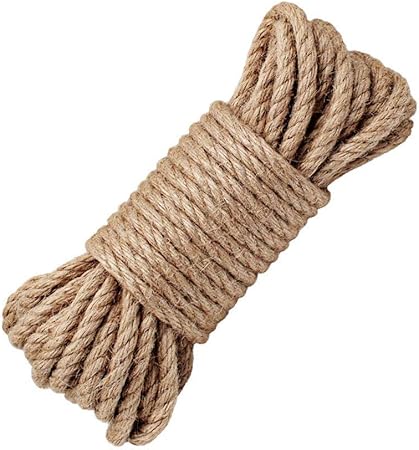
It can also be told that the ropes can be done with natural threads, artificial threads, sinthetic threads or combinations like cotton, silk, whool, hair, rayon, polipropylene, nylon, polyester, polyethilene (like the spectra) aramid fiber (for example twaron, technora and the kevlar)
También se puede decir que las sogas se pueden hacer de textiles naturales, artificiales, sintéticas o combinaciones ya sea de algodón , seda, lana, pelo, rayón, polipropileno, nylon, poliéster, el polietileno (como el spectra) las fibras aramidas (por ejemplo twaron, technora y el kevlar).

The achaeologist say that the ropes were invented by egipcian people since 4000 to 3500 years before our era and the chinese made fiber ropes 2800 years ago
Los arqueólogos dice que las cuerdas fueron inventadas por egipcios hace 4000 a 3500 años antes de nuestra era y los chinos hicieron cuerdas de fibra desde hace 2800 años.
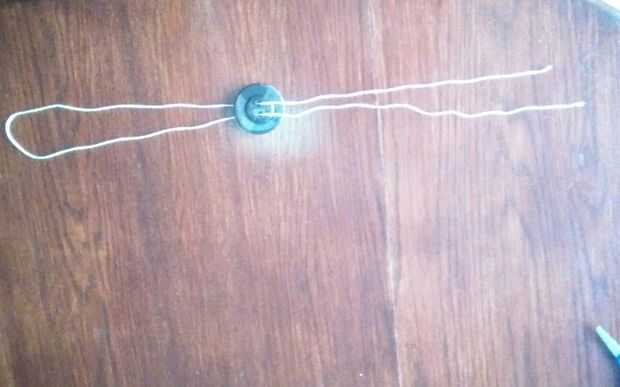
To have the toy of thin rope and button there are requirements. The string should be 50 centimeters long and the button has two holes by which the rope has to pass through and then make a knot, then two fingers of both hands have to screw in the rope in order to strech and to shrink the rope so we could have inertia and the characteristic sound.
Para tener el juguete de cuerda delgada y botón existen requisitos: la cuerda debe ser larga y resistente como de unos cincuenta centímetros y el botón tiene dos orificios por donde tiene que pasar la cuerda y luego hacerle un nudo luego se colocan dos dedos de las dos manos en los extremos de la cuerda con el fin de enroscar la cuerda y luego hacer que la cuerda se estire y se encoja para que pueda hacer inercia y un zumbido característico.
The button and rope has many diferent names according to the countries for axample it is calles chajalle in Puerto Rico, Dominican Republic, Chile and Peru. It has the name of buzzer in Argentina and Colombia. Zun Zun in Ecuador, Gurrufio in Venezuela, buzzer in Spain. The mapuche used this toy to cut the meat.
El botón con cuerda tiene diferentes nombres según los países por ejemplo se llama Chajalele en Puerto Rico, República Dominicana, Chile y Perú. Tiene, el nombre de zumbador en Argentina y Colombia. Zun Zún en Ecuador, Gurrufio en Venezuela, Zumbado en España. Los mapuches incluso usaban este juguete para cortar carne.
There is a poem mentioning this toy and it was made in Chile and it says: the Chilean Poet Andrés Gálvez (192’1989) ”The children made the runrún shout. Between their hands the singing run run is a personality. ”
Se hizo un poema mencionando a este juguete y se lo hizo en Chile y dice: El poeta chileno Andrés Sabella Gálvez (1912-1989), “Los niños hacen que el runrún vocifere o arrulle. Entre sus manos, la rodela cantadora es una personalidad.
Bibliografia
Chile, fértil provincia... Andrés Sabella. Edición corregida y aumentada. Editorial Zig-Zag, Santiago de Chile, (2º edic.) 1966
https://www.mundoprimaria.com/lecturas-para-ninos-primaria/historia-del-boton
https://www.hiladonado.com/la-historia-de-la-cuerda/
It has been found a button 4000 years ago a button in the place known as Pakistan, this place was a part of the Indian Northeast and Afganistan and is called The Indostan Valley. The roman used buttons to demonstrate their social position but they did not use the buttonhole in the clothes due to it´s invention in the XIII century of our era.
Se encontró un botón donde actualmente es Pakistán y antiguamente el noreste de la India y Afganistán, Valle de Indostán de hace 4000 años. Los romanos usaban botones para demostrar su posición social pero sin el ojal de abrochar y desabrochar en la tela pues fue inventado en el siglo XIII de nuestra era.
On the other side the rope is a prehistoric object and it´s name comes from the latin and greek languages chorda. The rope is the reunión of threads and it has three parts the whips and the middle part called seno.
Por otro lado la cuerda, soga o maroma es un objeto prehistórico y su nombre viene del latín y anteriormente del griego chorda. La cuerda es la unión de hilos y tiene tres partes los extremos se denominan chicotes y la parte media se denomina seno.
It can also be told that the ropes can be done with natural threads, artificial threads, sinthetic threads or combinations like cotton, silk, whool, hair, rayon, polipropylene, nylon, polyester, polyethilene (like the spectra) aramid fiber (for example twaron, technora and the kevlar)
También se puede decir que las sogas se pueden hacer de textiles naturales, artificiales, sintéticas o combinaciones ya sea de algodón , seda, lana, pelo, rayón, polipropileno, nylon, poliéster, el polietileno (como el spectra) las fibras aramidas (por ejemplo twaron, technora y el kevlar).
The achaeologist say that the ropes were invented by egipcian people since 4000 to 3500 years before our era and the chinese made fiber ropes 2800 years ago
Los arqueólogos dice que las cuerdas fueron inventadas por egipcios hace 4000 a 3500 años antes de nuestra era y los chinos hicieron cuerdas de fibra desde hace 2800 años.
To have the toy of thin rope and button there are requirements. The string should be 50 centimeters long and the button has two holes by which the rope has to pass through and then make a knot, then two fingers of both hands have to screw in the rope in order to strech and to shrink the rope so we could have inertia and the characteristic sound.
Para tener el juguete de cuerda delgada y botón existen requisitos: la cuerda debe ser larga y resistente como de unos cincuenta centímetros y el botón tiene dos orificios por donde tiene que pasar la cuerda y luego hacerle un nudo luego se colocan dos dedos de las dos manos en los extremos de la cuerda con el fin de enroscar la cuerda y luego hacer que la cuerda se estire y se encoja para que pueda hacer inercia y un zumbido característico.
The button and rope has many diferent names according to the countries for axample it is calles chajalle in Puerto Rico, Dominican Republic, Chile and Peru. It has the name of buzzer in Argentina and Colombia. Zun Zun in Ecuador, Gurrufio in Venezuela, buzzer in Spain. The mapuche used this toy to cut the meat.
El botón con cuerda tiene diferentes nombres según los países por ejemplo se llama Chajalele en Puerto Rico, República Dominicana, Chile y Perú. Tiene, el nombre de zumbador en Argentina y Colombia. Zun Zún en Ecuador, Gurrufio en Venezuela, Zumbado en España. Los mapuches incluso usaban este juguete para cortar carne.
There is a poem mentionin this toy and it was made in Chile and it says: the Chilean Poet Andrés Gálvez (192’1989) ”The children made the runrún shout. Between their hands the singing run run is a personality. ”
Se hizo un poema mencionando a este juguete y se lo hizo en Chile y dice: El poeta chileno Andrés Sabella Gálvez (1912-1989), “Los niños hacen que el runrún vocifere o arrulle. Entre sus manos, la rodela cantadora es una personalidad.
Bibliografia
Chile, fértil provincia... Andrés Sabella. Edición corregida y aumentada. Editorial Zig-Zag, Santiago de Chile, (2º edic.) 1966
https://www.mundoprimaria.com/lecturas-para-ninos-primaria/historia-del-boton
https://www.hiladonado.com/la-historia-de-la-cuerda/


